This is general home coffee and tea information, not medical, electrical, plumbing, food-safety, or professional barista advice. Check appliance instructions, ingredients, caffeine needs, and current product details.
Organise tea bags by the products already open, the information on their packaging and how you actually reach for them. Keep the original identification and preparation directions available. A tidy drawer is useful only if you can still tell what a tea is, what its package says and which opened packet you intended to finish first.
This is an organisation method for ordinary packaged tea, not a method for extending shelf life. Follow the product's storage instructions. Do not assign one expiry period to every black tea, herbal blend, powder or ready-to-drink product.
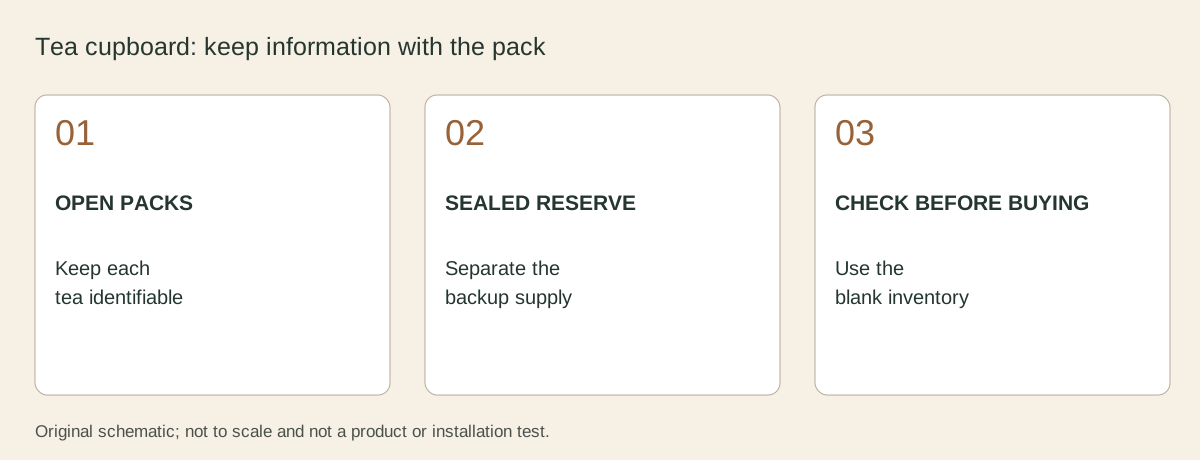
Start with packages, not new containers
Take out a manageable group and separate unopened packs from opened ones. Read the product name, date information and storage directions. Keep products you cannot identify out of the everyday selection until you resolve the uncertainty. A nice tin does not restore missing information.
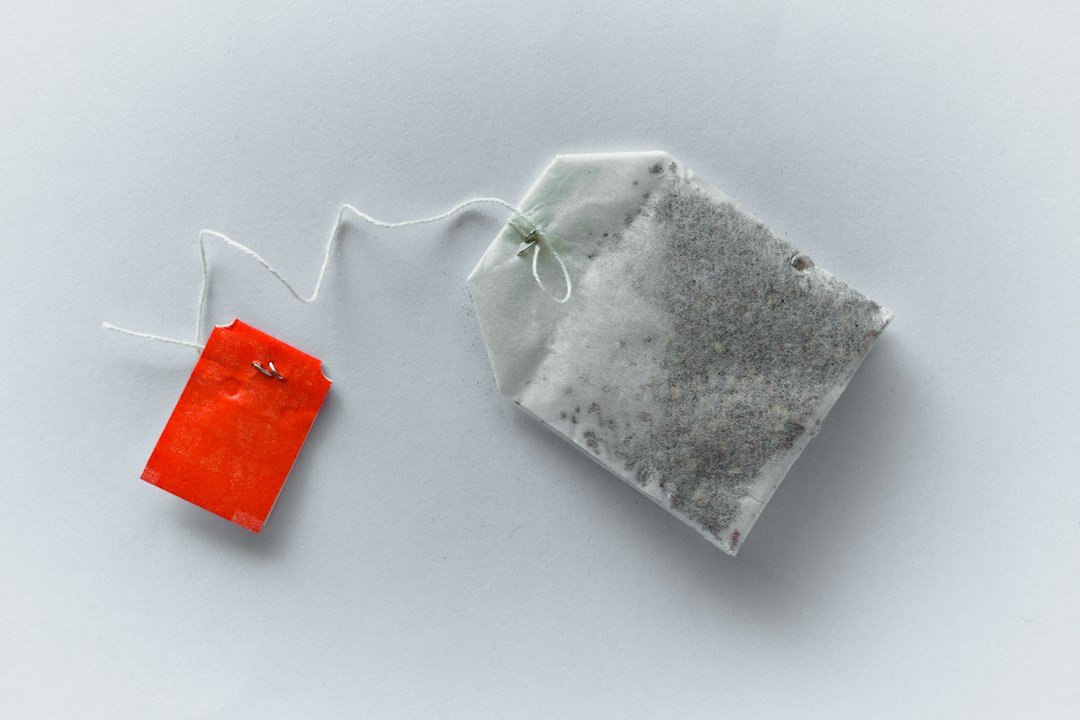
Before transferring anything, decide how you will retain the label and any individual wrapper. Some tea bags are individually wrapped; others depend on the outer package. Do not assume the same drawer treatment suits both. If the packaging gives a specific instruction, that comes before an attractive arrangement.
For the wider cupboard setup, the coffee and tea storage notes connect this open-pack record with container and shelf decisions.
Build three useful groups
| Group | What belongs here | Decision to make |
|---|---|---|
| Open and used regularly | Identified products already in use | Put within easy reach |
| Open but rarely chosen | A product you recognise but keep passing over | Decide whether it still has a realistic place |
| Unopened reserve | Sealed products with readable information | Keep separate so they do not hide open stock |
The groups describe household use, not food-safety status. A date or condition concern needs the manufacturer's guidance. Do not place an uncertain product in the first group just to clear the counter.
Make a small label that answers the next question
If you use an outer basket or tin, note the exact tea, the original packet location and the opening date if known. Do not invent an opening date for something found at the back. “Opening date unknown” preserves more useful information than a fresh label implying it was opened today.
An original record can have five columns: product, packaging directions, package date wording, opened date or unknown, and usual use. Photographing your own packaging for private reference is another option. Keep the actual package when a photograph would omit instructions you need.
Copy this open-pack inventory
Use one row per product and pack, not one row per flavour. If two packs have different printed dates, keep separate rows. Copy the printed date wording exactly; do not turn a best-before date into an invented opening deadline. The empty rows are a worksheet, not an example of a safe storage period.
| Product and pack | Printed date / wording | Opened on / unknown | Original label kept at | Remaining / buy decision |
|---|---|---|---|---|
| __________________ | __________________ | __________________ | __________________ | __________________ |
| __________________ | __________________ | __________________ | __________________ | __________________ |
| __________________ | __________________ | __________________ | __________________ | __________________ |
Download the blank tea inventory CSV to edit or print it. Keep “unknown” when you do not know an opening date. A counted quantity is optional: “enough for this week” or “check before shopping” is more useful than an exact number you will not maintain.
Match the container to the packaging
Individually wrapped bags can be grouped in an outer divider while their wrappers remain intact. For unwrapped bags, keep the manufacturer's outer packaging and its closure unless its directions allow your proposed transfer. A serving tray is not automatically a storage container. Test the complete packet height against the drawer, and check that closing it does not crush or tear the wrappers.
For a shared selection, place a small “open first” marker on the outer group, not over ingredient, allergen, date or brewing information. Keep sealed reserves behind or beside the daily selection rather than mixed into it. If more than one person restocks the cupboard, the inventory is the shared reference; the appearance of an empty decorative box is not a reason to buy another pack.
Give the daily selection a boundary
Choose a place near the preparation routine where the products can be stored as directed. Consider access by other household members, nearby steam, spills and what the manufacturer says about the environment. Do not mount storage over a kettle or stove merely because it creates a neat preparation station.
Keep the restocking rule simple: check the open group before buying a duplicate. A seasonal blend you use occasionally does not need the same front position as an everyday choice. Rotate by actual use and package guidance, rather than promising that every tea will remain fresh for a fixed number of months.
Separate quality advice from a universal expiry rule
Lipton's product FAQ distinguishes products and their date information. That is a reason to read the particular pack, not to apply one brand's stated period to every tea in your cupboard. Contact the producer when the date code or storage instruction is unclear.
If a packet is damaged, wet or otherwise concerning, an organisation exercise cannot establish whether it is suitable to use. Keep that question separate from whether the drawer looks orderly.
Check the arrangement during the next ordinary drink
Make your usual drink without reorganising anything first. Can you identify the tea, find the directions and put the packet back without moving several unopened boxes? If not, change the access arrangement. You do not need a bigger collection of matching tins.
The goal is visible use: know what is open, preserve the information and buy the next pack with the cupboard in view. A smaller workable selection is a complete result.
A five-minute cupboard review
Before making the shopping list, compare the open group with its record. Remove an empty row only when the pack is actually finished; update the remaining note after ordinary use rather than recounting every bag. Check the sealed reserve before adding a replacement. Keep a separate question for the producer when date codes or storage directions are unclear.
If a blend remains untouched, decide whether the household actually wants it before adding another similar flavour. Do not describe it as safe, fresh or expired from the inventory alone. This record supports identification and purchasing; it cannot inspect a product or extend the label's instructions.
Questions that change the arrangement
Can tea bags go in one jar? Mixing unidentified loose bags makes later identification and label checks harder. Keep each product identifiable and follow its packaging directions instead of assuming one jar suits every tea.
Should I write today's date on an old open pack? Record “opening date unknown” and today's review date separately. A new label must not imply a new opening date.
Do I need a tea organiser? Only if the current arrangement makes it hard to find and return the right pack. Check drawer dimensions and daily access first. The tea preparation guide covers brewing directions; it does not replace a product's storage label.